Melbourne Cup 2026: Date, UK Time and How the Race Works
By the MyHorseBets team · Updated · 11 min read
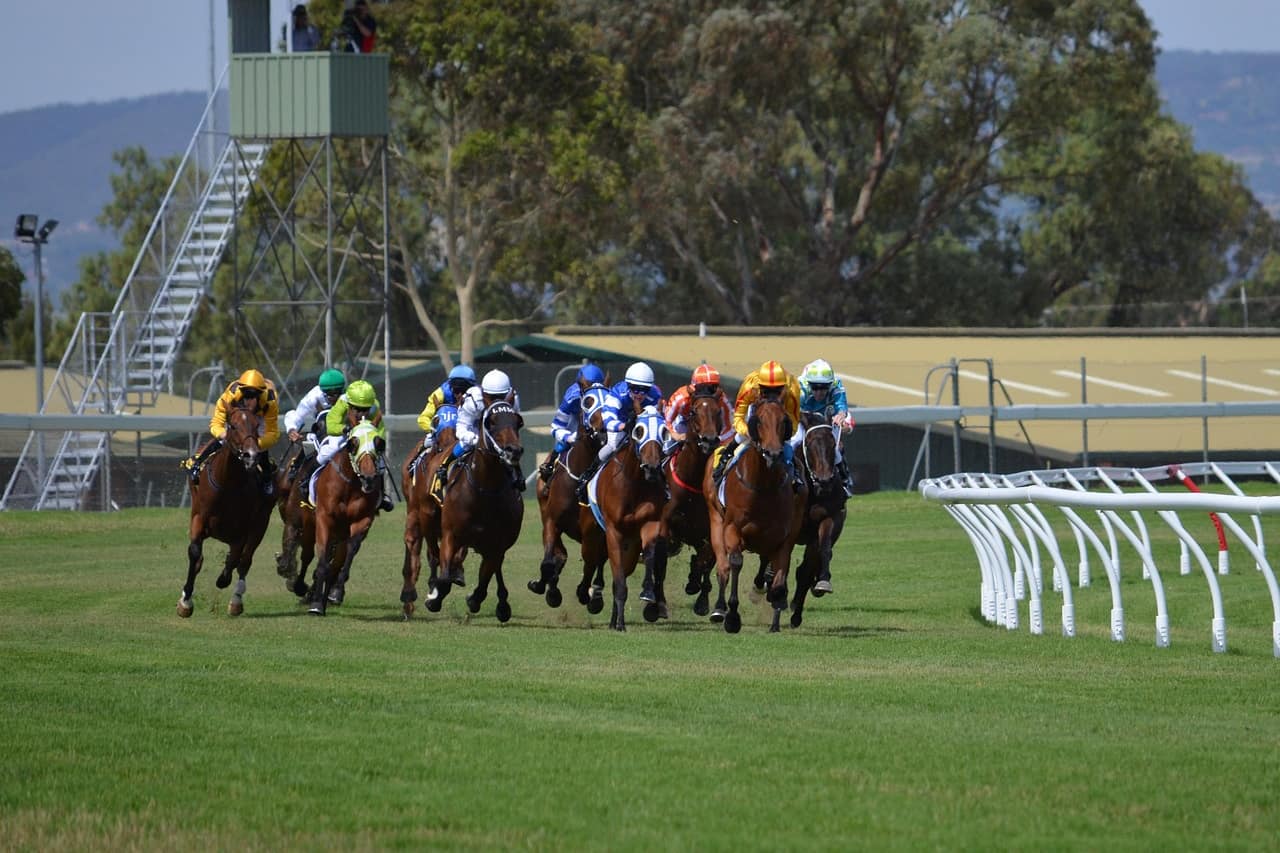
The Melbourne Cup 2026 is run on Tuesday 3 November 2026 at Flemington Racecourse in Melbourne, with the start set for 3pm local time, which is 4am in the UK. The Melbourne Cup is a 3,200 metre handicap for horses aged three and over, limited to 24 runners, and it is the race British and Irish trainers have targeted for three decades. Business Victoria lists Melbourne Cup Day as Tuesday 3 November 2026 in its official public holiday calendar, and Tuesday 2 November for 2027.
This guide is written for punters watching from Britain and Ireland: when the race starts on UK clocks, how horses get into the field, why so many European stayers make the trip, how the weights and the ballot work, and how each way betting works on a 24-runner handicap. We don’t publish tips or favourites. The odds move every day until the field is drawn, so the useful part is knowing how the race works.
When Is the Melbourne Cup 2026?
The race is always held on the first Tuesday in November, and the Melbourne Cup article on Wikipedia gives the start as 3:00pm. In 2026 the first Tuesday is 3 November.
| Item | Detail |
|---|---|
| Date | Tuesday 3 November 2026 |
| Course | Flemington, Melbourne, Victoria |
| Local start | 3:00pm AEDT (Australian Eastern Daylight Time) |
| UK and Ireland start | 4:00am GMT |
| Distance | 3,200 metres (about 20 yards short of two miles) |
| Type | Group 1 handicap, three-year-olds and up |
| Maximum field | 24 runners |
| Next year | Tuesday 2 November 2027 (Business Victoria holiday list) |
Melbourne Cup Time in the UK
Melbourne is on Australian Eastern Daylight Time in November, eleven hours ahead of GMT. British clocks go back on the last Sunday in October (25 October 2026), so by Cup Day the UK is on GMT. That puts a 3pm jump in Melbourne at 4am on Tuesday morning in London, Dublin and Edinburgh. If the race is delayed at the start, the UK time moves with it, so check the official racecard on the day rather than setting an alarm for 4:00 exactly.
Is Melbourne Cup Day a Public Holiday?
In Victoria, yes. Business Victoria says Melbourne Cup Day is a public holiday across the state unless a council outside Melbourne has arranged an alternative local holiday. Some regional councils swap it for their own race day: Moyne Shire, for example, takes the Warrnambool Cup holiday in May instead. Elsewhere in Australia it is a normal working day, which is why the race is famous as “the race that stops a nation”: offices stop to watch it.
How Long Is the Melbourne Cup?
The race is 3,200 metres. Wikipedia notes that it was originally run over two miles and was shortened to 3,200m in 1972, when Australia went metric. Two miles is 3,218.7 metres, so the modern race is about 18.7 metres, or roughly 20 yards, shorter than the old trip. In British terms it is a staying race of just under 16 furlongs: our guide to how many furlongs are in a mile has a converter if you want to compare it with the Ascot Gold Cup or the Northumberland Plate.
How the Melbourne Cup Works
The Melbourne Cup is a handicap. Every horse carries a weight set by the Victoria Racing Club’s handicapper, and the aim is to give each runner an equal chance on paper. That is the main reason the race throws up big-priced winners: Prince of Penzance won at 100/1 in 2015, ridden by Michelle Payne, the first woman to ride the winner.
Weights and the Handicapper
According to Wikipedia, the minimum handicap weight is 50kg and there is no maximum, but the top weight allocated must be at least 57kg. The weights are published by the VRC handicapper in early September, two months before the race. Penalties can then be added for horses that win certain races in the meantime. If you are new to handicaps, our guide to what a handicap horse race is explains how ratings turn into weights in British racing; the principle is the same.
Two historical marks show how much weight matters. Phar Lap carried 68kg in 1931, the heaviest weight ever carried in the race, and finished eighth. The heaviest weight carried by a winner was Carbine’s 66kg in 1890.
Getting Into the Field: Entries, the Ballot and Golden Tickets
More horses are entered than can run. Wikipedia describes the process: entries usually close in early August, with further acceptance fees paid in stages, and the field is cut to 24 by a ballot based on prize money won over the previous two years, results in certain lead-up races and the weight allocated.
Some horses skip the ballot altogether. The winners of a list of key races are exempt, including the Cox Plate, the Caulfield Cup, the Lexus Stakes, the Geelong Cup, the Moonee Valley Gold Cup and, from 2026, France’s Prix Kergorlay. One of the exemptions is a British race: the Ebor Handicap at York. Win the Ebor in August and you have a guaranteed place in the Melbourne Cup line-up if you accept, which is one reason the York race has become a stepping stone for European stayers.
Prize Money
The VRC raised the prize fund to A$10 million in 2025, and announced that every starter finishing 13th to 24th would be paid A$100,000. Wikipedia’s breakdown of the prize money (from the 2023 race) gave the winner A$4.4 million, second A$1.1 million and third A$550,000. The split between connections is fixed: 85% to the owner, 10% to the trainer and 5% to the jockey, and the winner also receives an 18-carat gold trophy.
Why British and Irish Horses Run in the Melbourne Cup
For a European stayer, the Melbourne Cup is the richest handicap it can realistically win, and the 3,200m trip suits horses that run over two miles in Britain and Ireland. The trip is long, but the race is now a regular target.
The Travellers Who Changed the Race
Vintage Crop, trained by Dermot Weld, won in 1993. Wikipedia describes him as the first Northern Hemisphere-trained winner and the first Irish-trained winner of the race. Americain became the first French-trained winner in 2010. In 2018, Cross Counter, trained in Britain by Charlie Appleby and ridden by Kerrin McEvoy, won the race.
Quarantine and the Werribee Centre
International horses, apart from those coming from New Zealand, must spend at least 14 days in approved quarantine in their home country before they travel, according to Wikipedia. In Victoria, the overseas runners are stabled at the Werribee International Horse Centre, which has room for up to 24 horses during the Spring Carnival. That long build-up is why British and Irish trainers plan their Cup campaigns months ahead, and why a ballot-exempt route such as the Ebor is so valuable.
The Welfare Question
The race has a welfare record that any fair guide should mention. Wikipedia reports that six horses have died during the Cup or on Cup Day since 2013, including The Cliffs of Moher, who was put down after fracturing his right shoulder in the 2018 race, and notes that the Cup “has drawn increasing criticism regarding the welfare of participating horses”. Our own guide to whether horse racing is ethical or cruel looks at the wider debate.
Melbourne Cup Winners Since 2015
The recent roll of honour, from the winners list on Wikipedia:
| Year | Winner | Note |
|---|---|---|
| 2025 | Half Yours | Ridden by Jamie Melham |
| 2024 | Knight’s Choice | |
| 2023 | Without A Fight | |
| 2022 | Gold Trip | |
| 2021 | Verry Elleegant | A mare |
| 2020 | Twilight Payment | |
| 2019 | Vow and Declare | |
| 2018 | Cross Counter | Trained in Britain by Charlie Appleby |
| 2017 | Rekindling | |
| 2016 | Almandin | |
| 2015 | Prince of Penzance | 100/1, ridden by Michelle Payne |
Records Worth Knowing
- Most wins by a horse: Makybe Diva, three in a row (2003, 2004 and 2005), the only horse to win the race three times.
- Most wins by a trainer: Bart Cummings, with 12.
- Fastest time: Kingston Rule, 3:16.30 in 1990.
- Shortest-priced winner: Phar Lap at 8/11 in 1930.
- First winner: Archer, in 1861. He won again in 1862, by eight lengths.
How to Bet on the Melbourne Cup From the UK
UK bookmakers price the Melbourne Cup like any big international race, with ante-post markets from the moment the weights come out and a full market once the field is drawn. Here is what to know before you bet. Only bet if you are 18 or over.
Fixed Odds vs Australian Tote Prices
British bookmakers offer fixed-odds prices in fractions or decimals. In Australia, odds are shown in decimal “dollar” form: a horse at $17.00 there is 16/1 here. Our odds converter switches between fractional, decimal and American odds if you’re comparing prices. Australian pool betting (the TAB) works like the Tote here: the dividend depends on the pool, not on the price when you bet.
Each Way Terms in a 24-Runner Handicap
The Melbourne Cup is a handicap with up to 24 runners, so standard UK each way terms are four places at 1/4 of the odds, the same as for any British handicap with 16 or more runners (see our guide to each way betting for the full table). Some bookmakers pay extra places on the race as a promotion; that is each firm’s choice, so check the terms before you bet.
Worked example: £5 each way at 16/1 (a £10 stake), four places at 1/4 the odds. The place odds are 16/1 x 1/4 = 4/1.
| Result | Win half | Place half | Total return | Profit or loss |
|---|---|---|---|---|
| Wins | £5 x 16 = £80, plus £5 = £85 | £5 x 4 = £20, plus £5 = £25 | £110 | £100 profit |
| 2nd, 3rd or 4th | Loses | £25 | £25 | £15 profit |
| 5th, with an extra place offer | Loses | £25 | £25 | £15 profit |
| 5th on standard terms, or worse | Loses | Loses | £0 | £10 loss |
You can check any price and place terms in our each way calculator.
Ante-Post Bets, Scratchings and Rule 4
Bets placed before the final field is known are ante-post: a horse that misses the ballot or is scratched loses you the stake, unless the bookmaker offers non-runner no bet. Our guide to ante-post betting explains both. Late scratchings after the field is set can trigger Rule 4 deductions on fixed-price bets struck before the withdrawal; the Rule 4 calculator works out what you’ll be paid.
Melbourne Cup Sweepstakes
The Cup is the sweepstake race of the Australian year, much like the Grand National here. If you are running one in a UK office, the same rules apply as for the National: our Grand National sweepstake kit works for any field of up to 40 horses, and explains what UK gambling law allows at work.
The Melbourne Cup is a 24-runner handicap and big-priced winners are common. Set your budget before the race, bet only what you can afford to lose and treat any return as a bonus. Gambling responsibly.
Update Log
- 9 October 2026: Page published with the 2026 date (Tuesday 3 November) and the 2027 date (Tuesday 2 November) from Business Victoria’s public holiday lists, the 3pm start from the Melbourne Cup race profile, and prize money from the VRC’s 2025 announcement. The 2026 weights, nominations and final field were not yet published.
- Next update: when the final field and barrier draw are published in the week of the race.
Frequently asked questions
The race starts at 3pm Australian Eastern Daylight Time, which is 4am GMT in the UK and Ireland. British clocks go back at the end of October, so on Tuesday 3 November 2026 the gap is eleven hours. If the start is delayed, the UK time moves with it.
In Victoria it is. Business Victoria lists Melbourne Cup Day as a public holiday across the state, unless a regional council has arranged its own local holiday instead. Elsewhere in Australia it is a normal working day, although many workplaces stop for the race at 3pm.
Prize money is split 85% to the owner, 10% to the trainer and 5% to the jockey. On the 2023 figures, when the winner earned A$4.4 million, the jockey's 5% share came to about A$220,000, before any private arrangements with the owners.
That changes daily until the race. Weights come out in September, the field is cut to 24 by ballot and the barrier draw comes days before the race, and each step moves the market. We don't publish favourites or tips; compare bookmakers' prices on the day of the race.
Yes. Cross Counter, trained in Britain by Charlie Appleby and ridden by Kerrin McEvoy, won in 2018. Irish-trained Vintage Crop, from Dermot Weld's yard, was the first Northern Hemisphere-trained winner in 1993, and Americain was the first French-trained winner in 2010.
The VRC keeps the official roll of honour, and the Melbourne Cup page on Wikipedia lists every winner since Archer in 1861. Recent winners include Half Yours in 2025, Knight's Choice in 2024 and Without A Fight in 2023.