How Much Do Jockeys Earn? UK Riding Fees, Prize Money and Costs
By the MyHorseBets team · Updated · 7 min read
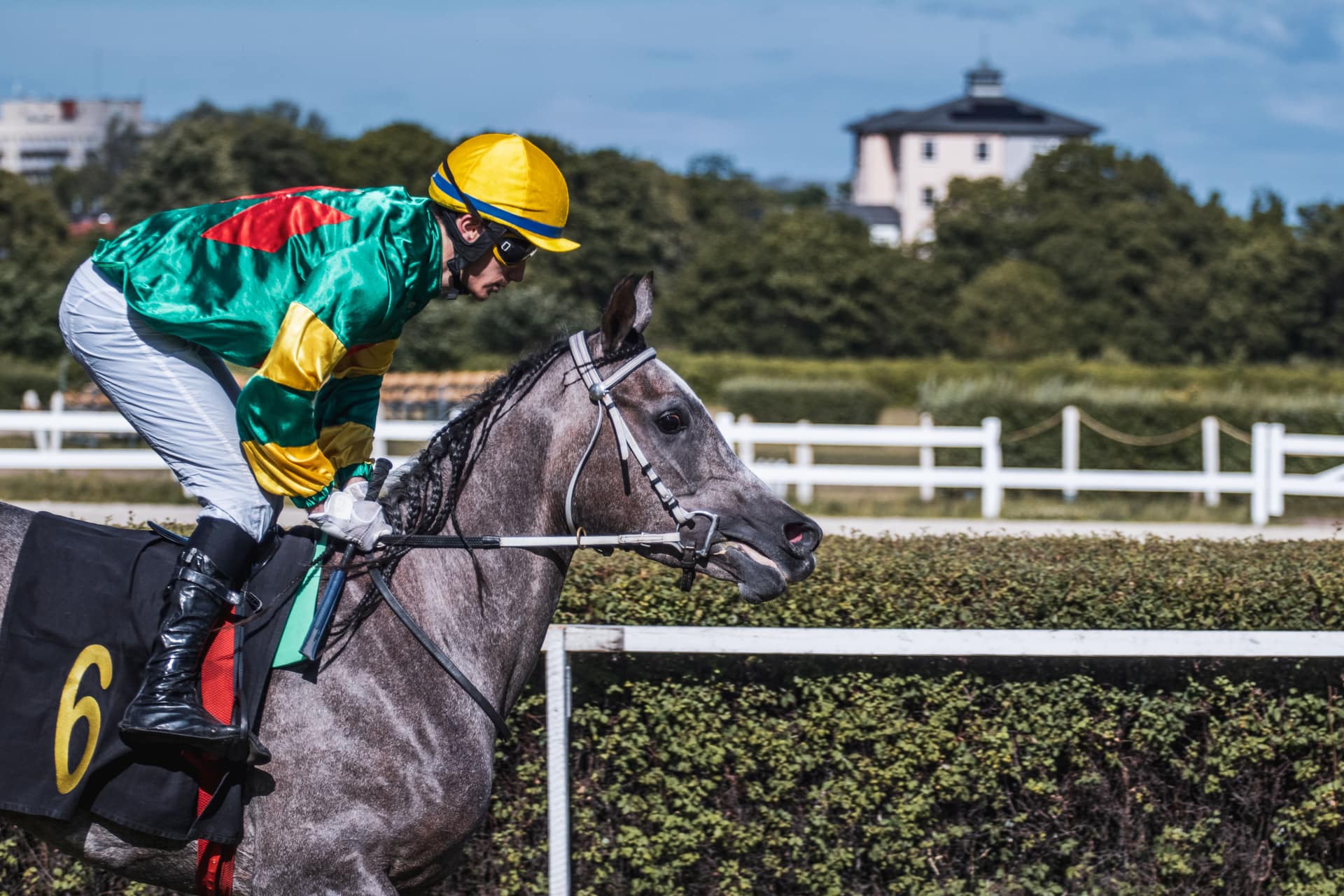
How much do jockeys earn? In Britain, a professional jockey earns a riding fee for every ride plus a share of the prize money when the horse wins or places. From 1 January 2026 the riding fee is £173.54 per ride on the Flat and £235.90 over jumps, according to the Professional Jockeys Association (PJA), and the PJA’s rule of thumb is that jockeys receive around 7% of the win prize on the Flat and 9% over jumps. There is no salary: a jockey’s income depends on how many rides they get and how many of those win.
This guide breaks down UK jockey pay with sourced figures: the riding fee, the prize money share, what jockeys pay out in agent, valet and union costs, how apprentices are paid, and worked examples for an ordinary day and a big race.
How Jockeys Get Paid in the UK
| Income or cost | Flat | Jumps | Source |
|---|---|---|---|
| Riding fee per ride (2026) | £173.54 | £235.90 | PJA |
| Fee for a non-runner after jockey declarations | £86.77 | £117.95 | PJA |
| Share of advertised win prize (rule of thumb) | About 7% | About 9% | PJA |
| Share of advertised place prize (rule of thumb) | About 2.61% | About 3.44% | PJA |
| Agent | About 10% of riding fees | About 10% | Great British Racing (2023) |
| PJA membership | 3% of riding fees | 3% | Great British Racing (2023) |
| Valet | 10% of the first ride of the day, 7.5% of the second, 5% of the third | Same | Great British Racing (2023) |
The Riding Fee
The PJA’s fees and prize money page says the riding fee is “negotiated annually between the PJA and the ROA”, the Racehorse Owners Association, and that riding fees and prize money are paid directly into jockeys’ Weatherbys accounts. The Racing Post reported that the 2026 fees, a 3.5% rise, apply from 1 January 2026, after rises of 3.1% in 2024 and 3% in 2025.
Do Jockeys Get Paid if They Don’t Win?
Yes. The riding fee is paid for every ride, win or lose. If a horse is withdrawn after the jockeys have been declared, the PJA says the jockey still receives half the fee: £86.77 on the Flat and £117.95 over jumps. Winning and placing add a share of the prize money on top.
The Prize Money Share
The PJA describes the prize money split as set by “a very complicated Rule of Racing” that varies by race type and the number of places paid, and gives the 7% and 9% figures as a rule of thumb on the advertised win prize. Great British Racing’s 2023 explainer gave higher figures, 8.5% of the win prize on the Flat and about 11.03% over jumps, so treat any single percentage as approximate.
What Comes Out: a Jockey’s Costs
Jockeys are self-employed, so the riding fee is not take-home pay. Great British Racing’s guide to how much jockeys earn sets out the main deductions and costs.
Agent, Valet and Union
About 10% goes to the agent who books the rides, and 3% to the PJA for membership of the jockeys’ union. The valet, who looks after the jockey’s kit in the weighing room, takes 10% of the first ride of the day, 7.5% of the second and 5% of the third.
Travel and Running Costs
GBR adds charges for insurance, physiotherapy, accountants and a Weatherbys bank account, and notes that the busiest jockeys may drive around 70,000 miles a year. The PJA’s own sponsorship pages put average annual mileage lower, at about 40,000. Either way, fuel and travel are among the biggest costs, which is why sponsored cars matter. Tax is paid on what’s left.
Apprentices and Conditionals
Young riders are paid differently. GBR says Flat apprentices “effectively, get 80 per cent” of the standard fee, while conditional jockeys over jumps get the same fee as fully fledged jockeys. Apprentices also claim a weight allowance, which falls as they ride more winners, as our horse racing terms glossary explains.
Worked Example: a Day of Four Rides on the Flat
Take a professional Flat jockey with four rides at one meeting, none of them winning. All four fees are £173.54, the 2026 rate.
| Item | Calculation | Amount |
|---|---|---|
| Riding fees | 4 x £173.54 | £694.16 |
| Agent (about 10%) | 10% of £694.16 | -£69.42 |
| PJA membership (3%) | 3% of £694.16 | -£20.82 |
| Valet | 10% + 7.5% + 5% of £173.54 on rides one to three | -£39.05 |
| Left before travel, other costs and tax | £564.87 |
That’s around £565 for a day’s work before driving to and from the course, physiotherapy and tax. On a day with only one ride, the same jockey would keep about £134 before those costs, and on a blank day, nothing.
The Same Day With a Winner
If one of the four rides wins a race with an advertised win prize of £10,000, the PJA’s 7% rule of thumb adds about £700, before any deductions and tax. That’s why the volume of rides matters so much: a handful of winners in the right races can be worth more than many losing rides.
Big Races: What a Jockey Can Earn in One Afternoon
The Epsom Derby
The Jockey Club raised the Derby to £2 million in 2026, with £1 million to the winner, as our Epsom Derby guide explains. On the PJA’s 7% Flat rule of thumb, the winning jockey’s share of a £1 million win prize would be in the region of £70,000, plus the riding fee. The actual figure depends on the Rule of Racing that sets each race’s split.
The Melbourne Cup
In Australia the split is fixed differently. The Melbourne Cup’s prize money is divided 85% to the owner, 10% to the trainer and 5% to the jockey, according to Wikipedia; on the 2023 figure of A$4.4 million to the winner, that’s about A$220,000 for the winning jockey. Our Melbourne Cup guide has the details.
Retainers and Sponsorship
The top jockeys earn more than fees and prize money suggest. GBR notes that there is no published salary for jockeys; some are retained by major owners or stables and many have personal sponsors. Those deals are private, so we don’t publish estimates.
How Much Do Top UK Jockeys Earn?
There’s no official salary list, because jockeys are self-employed and their income is private. What is public is prize money: the totals won by the horses they ride, which jockeys share in at the percentages above. A jockey whose mounts win £2 million in a season on the Flat would, on the 7% rule of thumb, take something like £140,000 of that as their share of win prize money, before costs and tax, plus riding fees for every ride.
Flat vs Jumps
Jumps jockeys get a higher riding fee and a higher percentage of prize money. Flat jockeys ride at lower weights: the BHA’s minimum is 8st 2lb on the Flat against 10st 2lb over jumps, as our National Hunt racing guide sets out, and all-weather racing gives Flat riders opportunities through the winter.
Why Riding Fees Are Negotiated
The fee is a cost to owners as well as income for jockeys. The Racing Post’s report on the 2026 rise quoted the ROA’s chief executive saying “we recognise any fee rise is unwelcome”, alongside the PJA’s description of an inflationary increase. Each year’s fee is the result of that negotiation.
Jockeys' earnings depend on results, and so do your bets. Back horses, not hunches, set a budget and only bet what you can afford to lose. Gambling responsibly.
Frequently asked questions
In Britain, the 2026 riding fee is £173.54 per ride on the Flat and £235.90 over jumps, according to the Professional Jockeys Association. Jockeys also get a share of prize money if the horse wins or places, around 7% of the win prize on the Flat and 9% over jumps.
Yes. Every ride earns the riding fee, win or lose, and if a horse is withdrawn after jockeys are declared, the jockey still gets half the fee. Winning or placing adds a share of the prize money, which is where the biggest earnings come from.
From riding fees for every ride, a percentage of prize money when their horses win or place, and, for top riders, retainers from owners and personal sponsorship. Out of that they pay their agent, valet and union, plus travel, insurance, physiotherapy and tax, because they are self-employed.
There is no salary. A UK jockey earns £173.54 a ride on the Flat or £235.90 over jumps in 2026, plus a prize money share. After agent, valet and union deductions, four rides on a Flat card leave about £565 before travel and tax. Top jockeys earn far more from big-race prize money.
The owners of the horses they ride. The fee is negotiated each year between the Racehorse Owners Association and the Professional Jockeys Association, and the money is paid into the jockey's Weatherbys account along with any prize money they win.